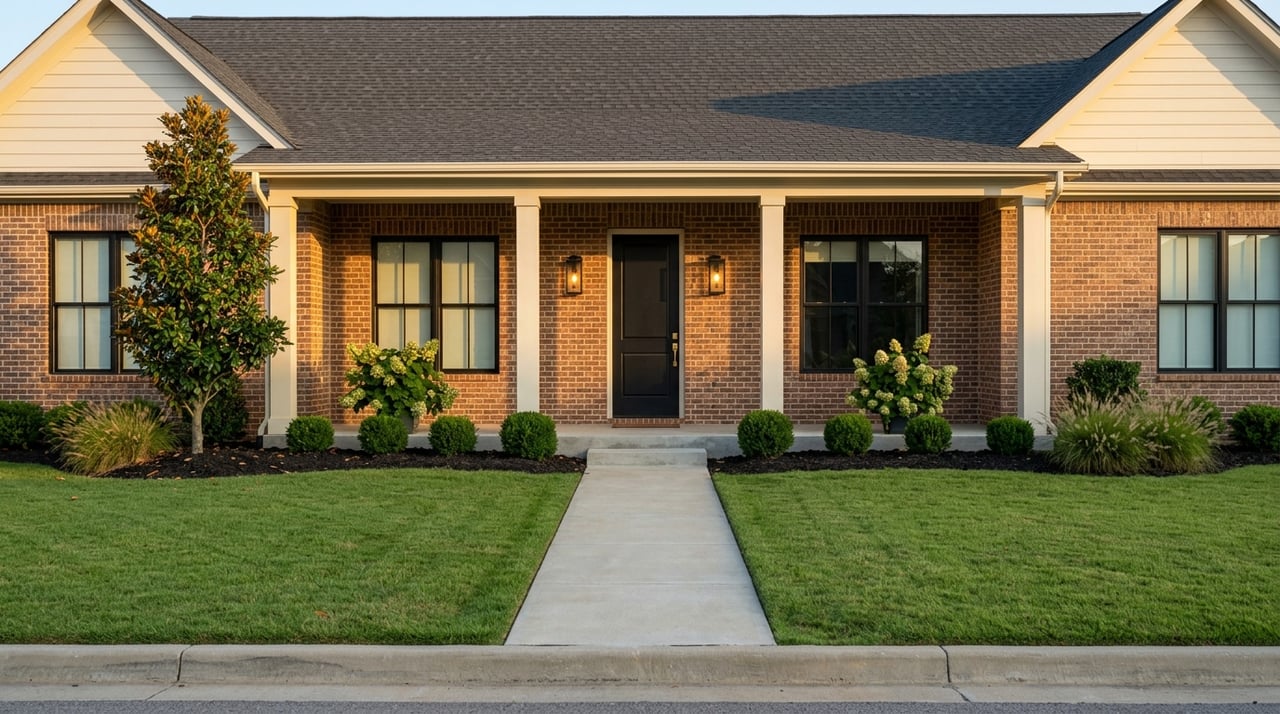
If your Harvest home is going on the market this summer, you may be wondering how much you really need to do before listing. The good news is that in a steady, more balanced market, you do not need a full remodel to make a strong impression. What matters most is helping buyers see a well-cared-for home from the curb, in photos, and during showings. Let’s dive in.
Why summer prep matters in Harvest
Summer can still be a smart time to sell in Harvest, but it comes with more competition. According to local Huntsville Area Association of REALTORS data, Madison County has been moving toward more balanced conditions, with average days on market ranging from 54 to 64 and a notable share of homes selling below list price. That means your home needs to look polished from day one.
There is still real opportunity in the summer market. In 2025, sales peaked in the second quarter, June had the year’s highest median price, and inventory also peaked in June. For you as a seller, that means active demand may be there, but buyers will likely have more choices.
North Alabama weather also affects how quickly a home can start looking tired. Huntsville-area climate normals show average highs near 89 to 91 degrees from June through August, along with regular rainfall. In practical terms, lawns, mulch beds, caulk lines, and painted trim can all show wear fast if you wait too long.
Focus on visible improvements first
If you are selling in the next few months, small and visible improvements usually make more sense than major renovations. The research supports putting your time and money into curb appeal, staging, selective repairs, and strong listing media instead of expensive projects with less broad resale appeal.
This is especially important in a market where many homes do not sell above list price. In Q1 2026, only 13% of homes in Madison County closed above list price, while 48% sold below list price. A clean, well-prepared home can help you compete more effectively without over-improving.
New construction is also part of the local competition. It made up 32% of 2025 sales and 36% of Q1 2026 sales in the area. If buyers are comparing your resale home with newer options, presentation matters even more.
Start outside with curb appeal
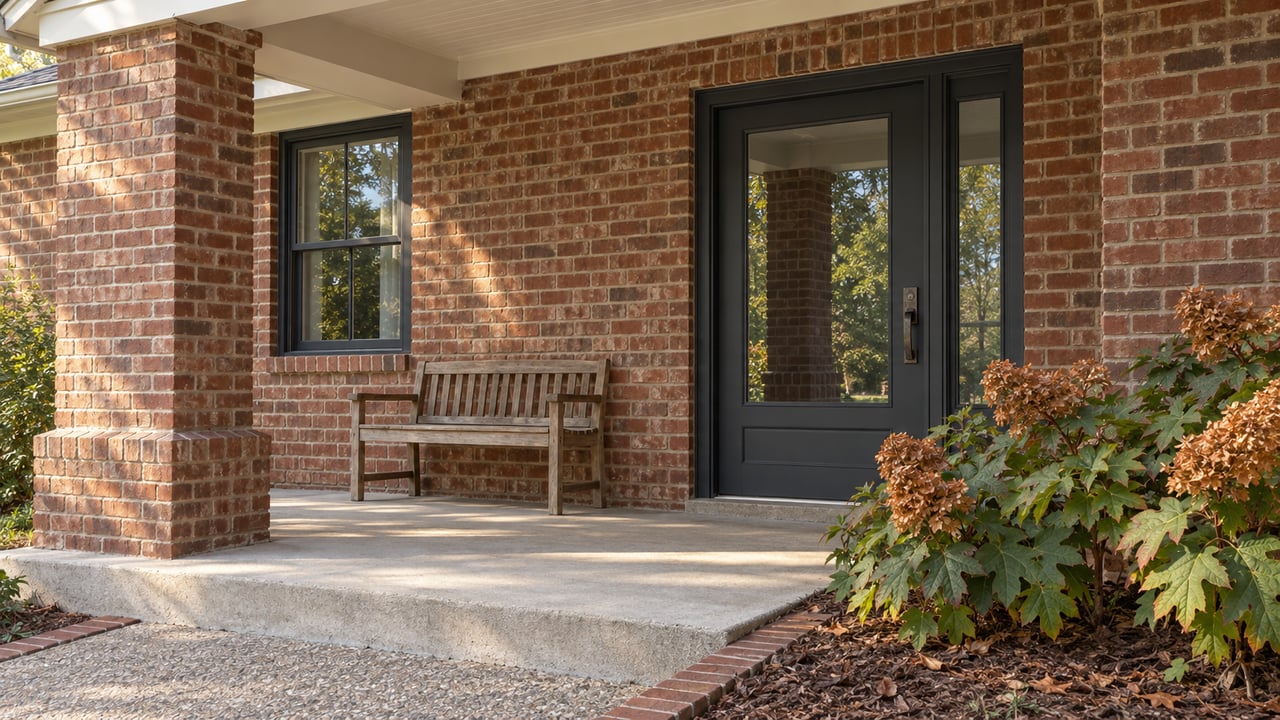
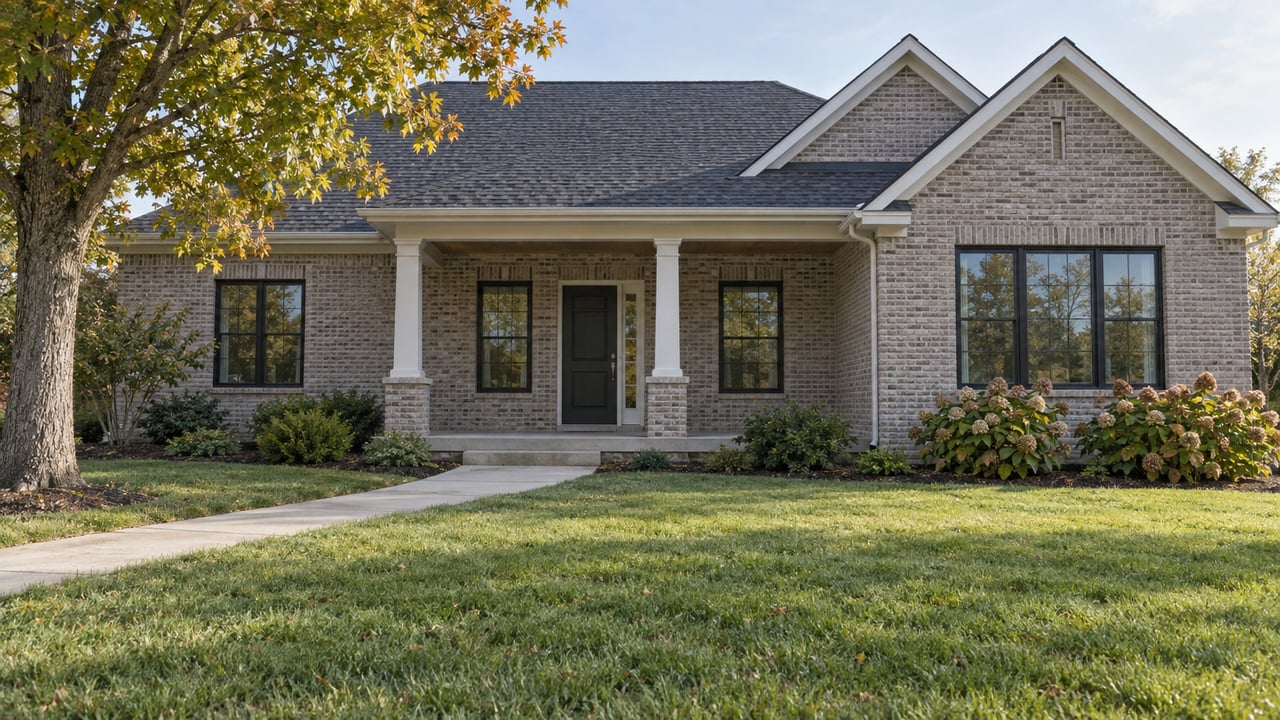
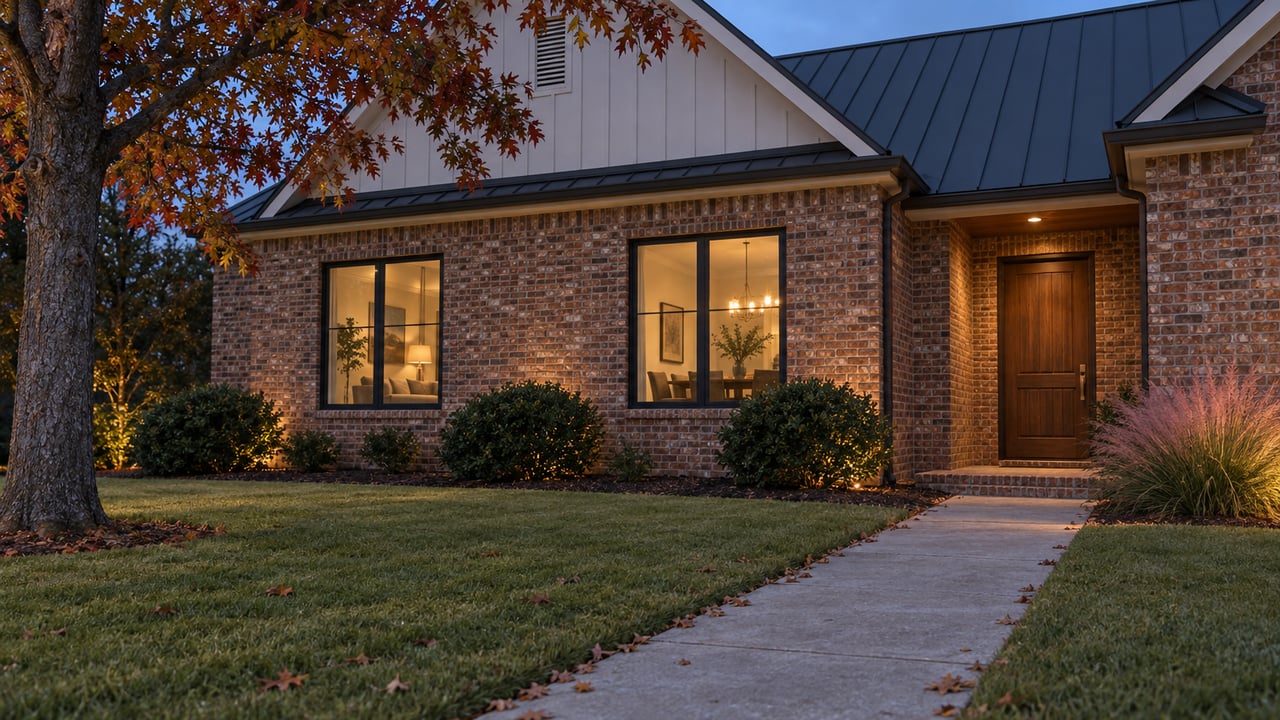
Curb appeal is one of the most practical places to begin. Research shows 92% of REALTORS recommend improving curb appeal before listing, and 97% say it is important for attracting a buyer. You do not need to create a showpiece. You just need your home to feel maintained, inviting, and easy to picture as move-in ready.
A simple exterior refresh often gives sellers the best return on effort. The most common recommendations are general landscaping maintenance, standard lawn care, and tree trimming. Buyers notice these details before they ever step inside.
Your summer curb appeal checklist
- Mow and edge the lawn regularly
- Trim shrubs and tree limbs away from windows and walkways
- Pull weeds from beds and hardscape cracks
- Refresh mulch in visible front beds
- Touch up peeling paint or worn wood trim
- Inspect and refresh caulk where it looks cracked or tired
- Clean windows and the front door
- Make sure house numbers are easy to read
- Remove dead plants or faded seasonal containers
For Harvest sellers, this kind of upkeep is especially useful in peak summer heat. Alabama Extension recommends at least 3 inches of mulch, careful weed control, and efficient watering to help landscapes hold up through hot weather. It also notes that warm-season turfgrass aeration is best done in summer, which can be a practical low-cost way to improve lawn appearance.
Avoid overdoing the yard
It is easy to think you need a major landscape makeover, but the data points in a different direction. Simple lawn care and general landscape maintenance tend to be more resale-friendly than higher-cost outdoor additions. If your sale is only a few months away, focus on neatness, health, and consistency.
That also means being cautious about summer lawn treatments. Alabama Extension advises against fertilizing during drought conditions and notes that certain fertilizers can increase heat stress or disease risk. A tidy yard that looks cared for is more important than chasing perfect green grass in the middle of a North Alabama summer.
Make the front entry feel cared for
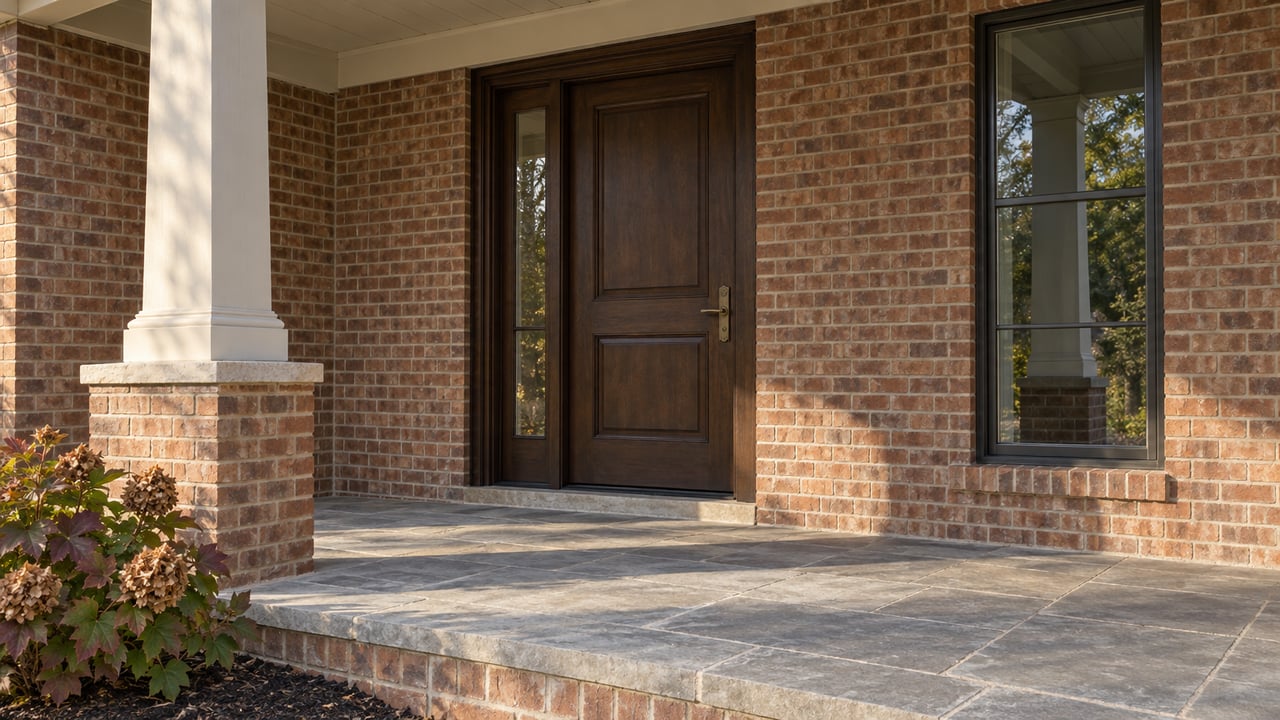
Your front entry sets the tone for the whole showing. When buyers walk up, they are already forming an opinion about how the home has been maintained. A freshly cleaned door, swept porch, and uncluttered entry can go a long way.
Take an objective look at your home from the street. Check landscaping, paint, shutters, roofline visibility, windows, and house numbers. Even small signs of wear can stand out more in bright summer light.
Prioritize the rooms buyers notice most
Inside the home, not every room needs the same level of attention. According to the 2025 staging research, the rooms that matter most are the living room, primary bedroom, and kitchen. If your time or budget is limited, start there.
The same research shows that 83% of buyers’ agents said staging helps buyers visualize the home as their future home. It also found that some agents saw a 1% to 5% increase in dollar value offered, while others reported a slight reduction in time on market. That does not mean you need expensive designer staging. It means thoughtful presentation can make a difference.
Where to focus first indoors
- Living room
- Kitchen
- Primary bedroom
- Secondary bedrooms if they are heavily personalized
- Bonus spaces such as a home office or flex room
Buyers often expect homes to look polished in person and in photos. The staging report found that many buyers are disappointed when a home looks less refined than what they expected. That is why basic cleanup and editing matter so much.
Use simple staging that helps buyers picture the space
The goal of staging is not to impress buyers with your personal style. It is to help them see the space, light, and function of each room. Neutral or light colors, streamlined decor, and open sightlines make that easier.
Start by removing extra furniture, oversized decor, and anything that makes rooms feel crowded. Clear countertops, tidy open shelves, and organized closets help your home feel more spacious. Updated or minimal window treatments can also help buyers focus on natural light and views instead of heavy fabric.
Budget-friendly staging moves
- Remove personal photos and highly specific decor
- Use light, neutral bedding and towels
- Clear kitchen counters except for one or two simple items
- Organize closets to show usable space
- Store extra furniture to improve flow
- Add fresh lamps or brighter bulbs where rooms feel dim
- Keep office or flex spaces clearly defined
If you are considering professional help, the 2025 staging report found a median spend of $1,500 for professional staging and $500 when sellers’ agents staged homes themselves. For many sellers, a lighter-touch approach paired with smart guidance can be enough.
Prep for photos before you list
One of the biggest mistakes sellers make is waiting until after the listing goes live to fine-tune the home. By then, buyers have already seen the photos. In the 2025 staging report, buyers’ agents said photos were the most important media feature for their clients, followed by physical staging, videos, and virtual tours.
That means your pre-listing prep should happen before photography, not after. Clean surfaces, open blinds, remove visual clutter, and make sure every key room is ready to be seen online. In a balanced market, strong listing photos can help get buyers through the door.
Fix these items before cosmetic upgrades
If you have a limited budget, handle obvious maintenance issues before spending money on decorative touches. Buyers tend to notice small defects quickly, especially when they are comparing your home with newer listings and new construction.
A practical order of operations for a Harvest summer listing often looks like this:
- Fix visible repair issues
- Tidy landscaping and refresh mulch
- Clean, declutter, and simplify interiors
- Stage the most important rooms
- Prepare the home for listing photos and showings
Visible paint wear, cracked caulk, overgrown shrubs, and tired entry details can make buyers wonder what else has been overlooked. You do not need perfection, but you do want the home to communicate steady care.
How much should you spend?
Most sellers do not need to spend heavily to get market-ready this summer. The strongest support in the research is for smaller, visible improvements rather than large remodels. If you plan to sell in the near term, it is usually smarter to put your budget into appearance, condition, and presentation.
That may mean lawn care, mulch, touch-up paint, cleaning, light staging, and a few selective repairs. Higher-cost projects may still make sense in some cases, but they are less clearly supported when your main goal is getting the home ready for market in the next few months.
Why strategy matters in today’s Harvest market
Harvest sellers are not stepping into the same kind of market seen in earlier peak years. Local numbers point to a steadier, more normalized environment, and that calls for a thoughtful plan. Pricing, presentation, and timing all need to work together.
This is where local guidance matters. In a market with average selling times of about two months, more inventory, and many homes selling below list price, the homes that show best have an advantage. Good prep helps protect your first impression, your showing activity, and your negotiating position.
If you are thinking about selling your Harvest home this summer, the smartest next step is to build a plan around what buyers in this market are actually responding to. The team at Stallworth Real Estate, LLC offers a hands-on, concierge-style approach to help you focus on the updates that matter most and get your home ready to compete with confidence.
FAQs
What should Harvest sellers fix first before listing in summer?
- Start with visible exterior and maintenance items such as overgrown landscaping, peeling paint, worn caulk, dirty windows, and an untidy front entry. Then move inside to decluttering, cleaning, and staging the main living areas.
What rooms matter most when staging a Harvest home for sale?
- Focus first on the living room, primary bedroom, and kitchen. If you have extra time or budget, then improve secondary bedrooms and flexible spaces like offices or bonus rooms.
Is summer still a good time to sell a home in Harvest, Alabama?
- Yes, summer can still be an active selling season. Local data shows strong activity in Q2 and higher June pricing, but it also shows more inventory, so preparation and presentation matter.
Do you need to stage every room before listing a Harvest home?
- No. Research suggests it is more effective to stage the key rooms buyers care about most rather than trying to fully stage every space in the home.
How much should you spend to get a Harvest home market-ready?
- In most cases, focus on practical, visible improvements instead of major renovations. Lawn care, mulch, touch-up paint, cleaning, selective repairs, and light staging are better supported by the data than large pre-sale projects.