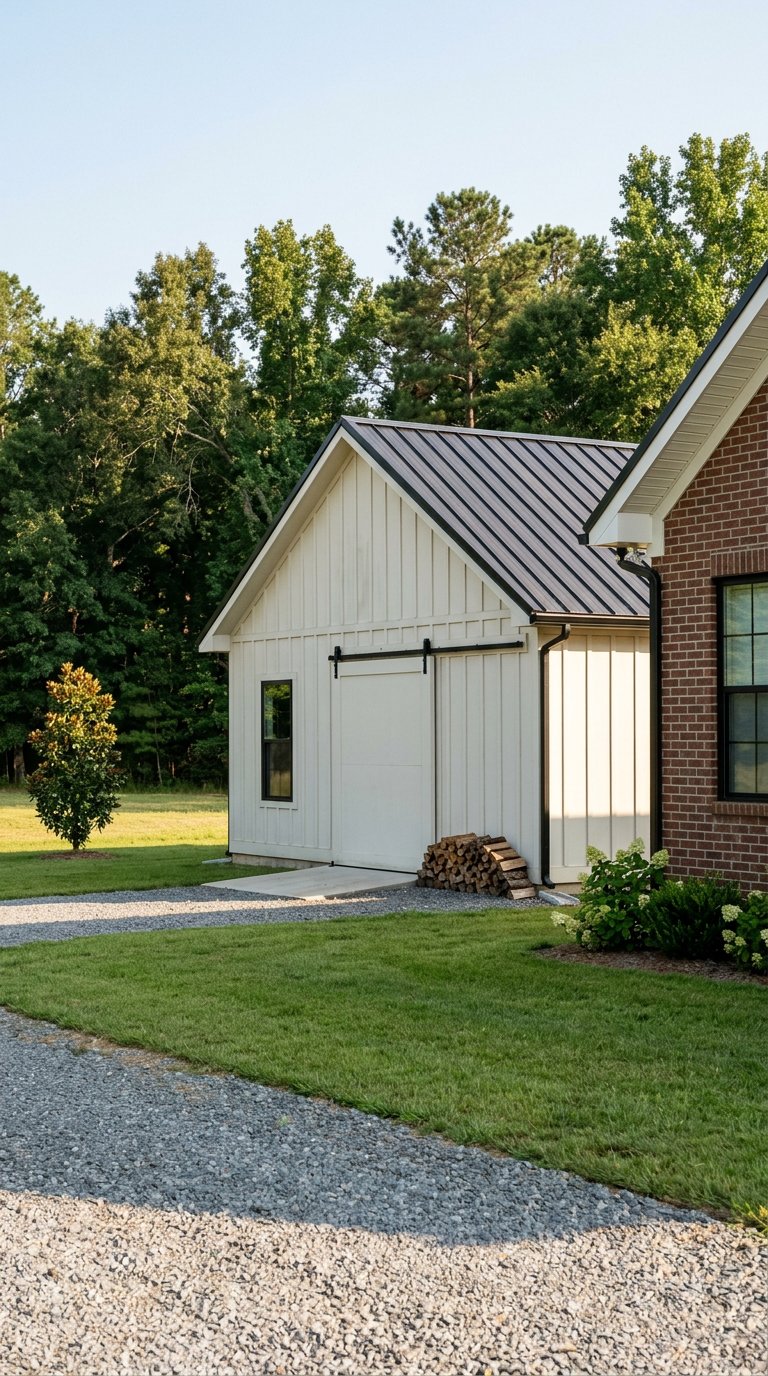
Selling a home on acreage in Meridianville comes with a different set of questions than selling a house in a subdivision. You’re not just marketing bedrooms and baths. You’re showcasing land, utilities, access, and the documentation that gives buyers and lenders confidence. If you prepare well, you can protect your price and shorten your time on the market.
In this guide, you’ll learn which records to pull, which inspections matter most, and how to position your acreage to the right buyer segments around Huntsville. You’ll also get a simple prep timeline and cost ranges so you can plan ahead. Let’s dive in.
Meridianville acreage market at a glance
Meridianville is part of Madison County, and many permitting and inspection questions are handled by the county rather than a city office. If you plan to sell, you’ll work with Madison County for building permits, records, and code questions. You can confirm requirements through the county’s Building and Fire Inspections resources and CityView portal listed on the county website.
Demand for acreage near Meridianville is supported by the Huntsville job base, including Redstone Arsenal, NASA and Marshall, Cummings Research Park, and related defense and aerospace employers. That mix draws commuter hobby‑farm buyers, equestrian owners, investors, and teleworkers who want more land within a reasonable drive of work. You can reference the regional jobs landscape through public filings that outline Huntsville’s government and contractor presence.
Because acreage behaves differently than subdivision lots, pricing should reflect usable acres, improvements, and location. A local MLS agent can pull comps that separate land and improvements and account for unique features like barns, fencing, ponds, and timber.
What buyers and appraisers value on acreage
Land and improvements
Appraisers typically break out value into two parts: the residential improvements (home, barns, shops, fencing, driveways) and the land component. For land, they look at usable, buildable acres, soil conditions, topography, access, available utilities, timber, and natural features. Proximity to employment centers can lift per‑acre values compared to more remote rural areas, according to research on farmland values and urban interaction.
Usable acres and access
Clear, documented boundaries help buyers visualize what they are getting. If you can show a current survey, defined access, and road quality, you remove friction. Good driveways, gates, and drainage are small upgrades that often pay off.
Utilities, septic, and water
Buyers and lenders focus on verified septic capacity and potable water. A recent licensed septic inspection, documented pump‑out, and a certified well test give confidence and reduce last‑minute renegotiations.
Outbuildings, fencing, and pasture
Serviceable barns, stalls, feed rooms, cross‑fencing, and managed pasture are value points. Equestrian and hobby‑farm buyers will pay attention to water access, power to outbuildings, and how easily they can move animals and equipment.
Timber, ponds, and recreation
If you have merchantable timber or a well‑maintained pond, call it out with specifics. A timber cruise by a licensed forester can help quantify value. Trails, food plots, and fishing features appeal to recreational buyers.
Subdivision potential
If you think your land might be subdividable, confirm feasibility with the Madison County Engineer and review the county’s Subdivision Regulations before you market it that way. Do not promise lot splits without documentation, timelines, and cost assumptions.
Permits and records to pull first
Getting your paperwork organized early protects your price and makes the transaction smoother. Start with these items.
Septic records
If your home is on septic, the Alabama Department of Public Health manages onsite sewage rules, permitting, and local inspections through county environmental offices. Collect the original Permit to Install, any as‑built diagrams, Approvals for Use, and recent pump‑out and service records. If permits are missing, plan for a licensed inspection and records update through the Madison County environmental office.
- Learn more about onsite sewage permits and local contacts at the Alabama Department of Public Health page for Madison County.
Well documentation and water tests
Alabama requires licensed well drillers and statutory reporting for wells. Gather the well completion log, the driller’s certificate if available, and a current bacteriological and nitrate test. Lenders for FHA, VA, or USDA loans often require proof of potable water.
- See the Alabama Code reference on licensing and reporting for wells.
Building permits and occupancy
Madison County issues building permits and Certificates of Occupancy. Unpermitted outbuildings, electrical or plumbing work, or additions can become obstacles at closing. Pull permit records for the home and any accessory structures through the county’s Building and Fire Inspections office.
- Review Madison County Building and Fire Inspections guidance and records access.
Zoning, setbacks, and separation rules
Septic and well separation distances are defined in Alabama’s onsite sewage rules and are enforced locally. If your land includes streams, wetlands, or floodplain, those constraints can affect buildable area and insurance. Verify any setback or separation requirements that may impact use.
- Check Alabama’s onsite sewage design and separation standards in the state administrative code.
Agricultural current‑use tax status
If your property is assessed under Alabama’s current‑use valuation for agricultural or forest land, a sale or change in use can trigger rollback taxes. Identify your current classification and discuss potential rollback exposure before listing. Clear disclosure helps buyers and protects your net.
- Read about current‑use valuation and rollback rules from the Alabama Department of Revenue.
Inspections and prep timeline
Aim to start your pre‑listing work 6 to 12 months before you plan to go on market. Here is a practical sequence.
Weeks 0 to 2: Order records and survey
- Request county building permits and septic files. Allow 1 to 3 weeks for records.
- If you lack a recent survey, book a licensed boundary survey. Timelines vary 2 to 6 weeks depending on acreage and complexity.
Weeks 1 to 4: Septic and well checks
Schedule a licensed septic inspection and pump‑out if recommended. Expect around 300 to 650 dollars for a typical septic inspection and 300 to 500 dollars if a pump‑out is needed. Costs vary by tank size and access.
Book a well inspection and certified water tests for coliform and nitrate. Inspection ranges are often in the low hundreds. Many lenders will require passed results for closing.
See national cost ranges for septic and well inspections from HomeAdvisor.
Weeks 3 to 8: Targeted repairs and access
- Fix gates, fencing breaks, and basic roof or siding issues that could scare off buyers.
- Grade or gravel soft spots on the driveway for clean access during showings.
- Tidy barns and shops. Remove debris and clearly label water spigots and power shutoffs.
Weeks 6 to 12: Marketing assets and site packet
- Create a “site packet” for buyers and agents: survey, septic permit and as‑built, well completion log and lab tests, any HOA or restrictive covenants, and a one‑page summary of pasture improvements and outbuildings.
- Capture drone photos and a lot‑line overlay to show usable acres, ponds, fencing, and building locations.
Fix now or disclose later
Alabama follows caveat emptor, which places the burden on buyers to discover issues. That said, material defects that impact health and safety should never be concealed. The safest path is to disclose known issues in writing and support them with recent licensed inspections.
- Learn more about caveat emptor and seller disclosure context for Alabama.
If your septic or well needs repair, price out fixes early. You can either complete the repair before listing, offer a credit, or hold funds in escrow at closing. Choose the route that keeps your timeline and bottom line intact, and get contractor quotes so buyers feel confident in the numbers.
Pricing and positioning strategy
Match features to likely buyers
- Commuter hobby‑farm buyers and defense or tech professionals value commute times, broadband availability, and ready‑to‑use pasture. The Huntsville employment base that includes Redstone Arsenal and Marshall drives much of this demand.
- Equestrian buyers look for stalls, turnout options, fencing type, water access at barns, and trailer‑friendly driveways.
- Timber and recreational buyers care about boundary clarity, internal trails, ponds, and stand descriptions. If timber value is material, a forester’s timber cruise can help.
- Developers or investors need documented subdivision feasibility. Share only what you have verified with the county engineer and the Subdivision Regulations.
Show usable land clearly
Help buyers imagine how they will use the property. Provide a current survey, lot‑line overlays on aerial photos, and callouts for barns, water, and power. A simple site map in the listing packet goes a long way.
Use facts buyers and lenders trust
When in doubt, put documentation in the packet. Include septic permits and inspection results, well logs and lab tests, permit histories for outbuildings, and any current‑use tax classification details. Clear, credible documents reduce contingencies and speed up underwriting.
Quick seller checklist
- Confirm county jurisdiction for permits and inspections with Madison County Building and Fire Inspections.
- Pull septic records and plan a licensed inspection and pump‑out if needed through the Alabama Department of Public Health.
- Gather well completion records and order certified coliform and nitrate testing. Confirm lender requirements.
- Verify zoning, septic and well separation distances, and any environmental constraints using Alabama’s onsite sewage standards.
- Identify your property tax classification and any current‑use rollback exposure with the Alabama Department of Revenue.
- If subdivision potential is part of your strategy, review Madison County Subdivision Regulations and speak with the county engineer before marketing it.
- Order a boundary survey if your last survey is old or unclear.
- Prepare a site packet and capture clear aerial and ground‑level photography.
Why prepare early
Acreage buyers ask more questions, and lenders need more documentation. When you organize permits, inspections, and a clean site packet upfront, you protect your price and reduce renegotiations. You also appeal to the best‑qualified buyers who are ready to move when the right property appears.
If you want a hands‑on partner who understands land and local buyer demand, our boutique team is here to help you plan, price, and present your acreage with confidence. Connect with Stallworth Real Estate, LLC for a client‑first, concierge experience from preparation through closing.
FAQs
What makes selling Meridianville acreage different from selling a subdivision home?
- You are selling land plus improvements, so buyers and lenders expect documentation for septic, well, permits, access, and usable acres. A site packet and survey are key.
Which records should I pull first for an acreage sale in Madison County?
- Start with county building permits and Certificates of Occupancy, septic permits and as‑builts, well completion logs with current water tests, surveys, and any current‑use tax details.
Do lenders require a septic or well inspection to close in Alabama?
- Many loans, especially FHA, VA, and USDA, require proof of potable water and a functioning septic system. A licensed septic inspection and certified water test help you clear underwriting.
How do I know if current‑use or rollback taxes will affect my sale?
- Check your assessment classification with the county and review Alabama’s current‑use rules. A sale or change in use can trigger rollback taxes, so clarify status early.
Can I market my land as subdividable before I verify it with the county?
- It is risky to do so. Confirm feasibility with the Madison County Engineer and review the Subdivision Regulations before you advertise any development potential.