If you are torn between a neighborhood home and a property with land in Meridianville, you are not alone. Many buyers in this growing Madison County community face the same choice, especially when they want the right mix of space, convenience, privacy, and long-term value. This guide will help you compare subdivisions and acreage in Meridianville so you can make a smart, confident decision. Let’s dive in.
Why this choice matters in Meridianville
Meridianville is a largely residential market with 8,209 residents as of 2020, and it has grown from 6,021 residents in 2010. The area also has a high owner-occupied housing rate of 92.5%, which reflects a strong base of people putting down roots here. For buyers, that often means choosing between established neighborhood living and properties that offer more room to spread out.
The local housing conversation is not just about square footage. It is often about how you want to live day to day, what type of upkeep you are comfortable with, and how much property-specific due diligence you want to handle before closing.
Subdivision homes in Meridianville
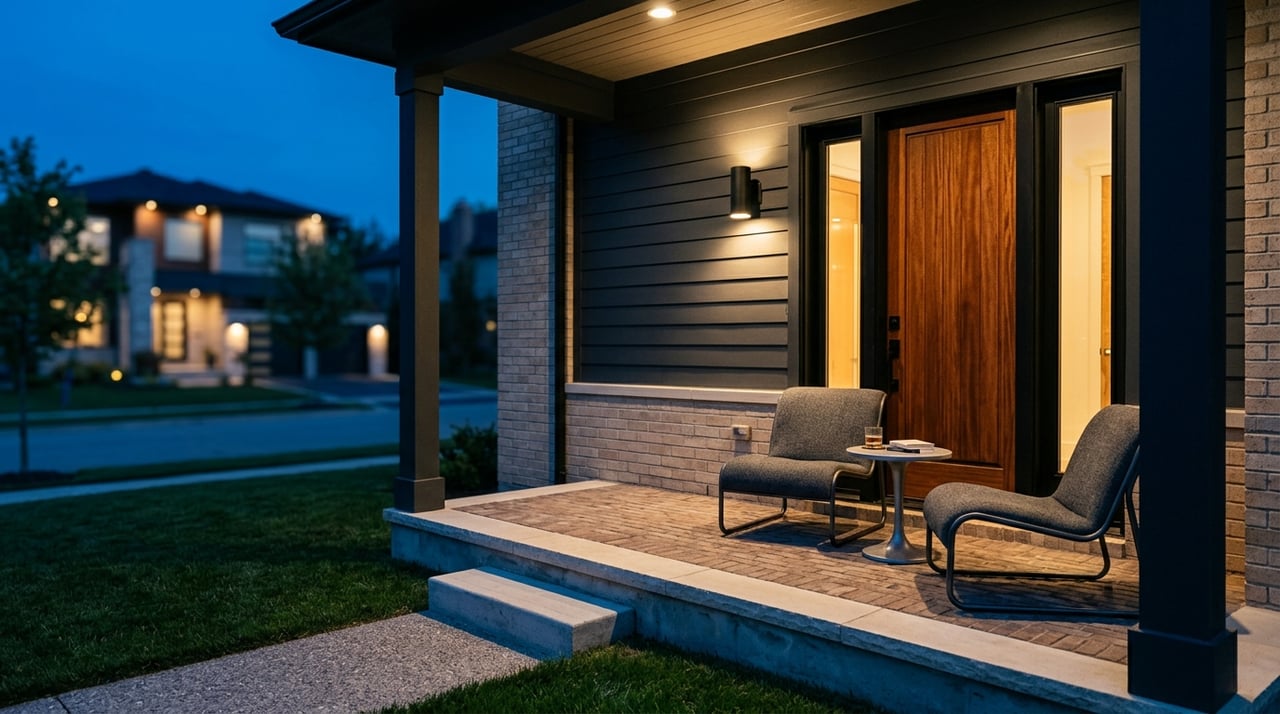
Subdivision homes usually appeal to buyers who want a more predictable ownership experience. In unincorporated Madison County, subdivision plats and related documents are reviewed under Madison County Public Works regulations, which helps create a more standardized setup from one lot to the next.
That structure can make the buying process feel simpler. You are often looking at a property with established access, more consistent neighborhood layout, and clearer expectations around how the community functions.
What buyers often like about subdivisions
Many planned subdivisions offer convenience and a more uniform neighborhood appearance. In practical terms, buyers are often trading some land and privacy for easier upkeep, shared services, and a setup that can be easier to evaluate upfront.
For some buyers, that can be a real advantage. If you want a home that feels more turnkey, a subdivision may line up well with your goals.
HOA dues and community structure
Some planned subdivisions include homeowners’ association dues and shared services. Those dues are usually paid directly to the HOA rather than through your mortgage servicer, so it is important to review them separately as part of your monthly budget.
Before you make an offer, ask what the dues cover and whether there are community restrictions that affect your plans for the property. That can help you avoid surprises after closing.
Acreage properties in Meridianville
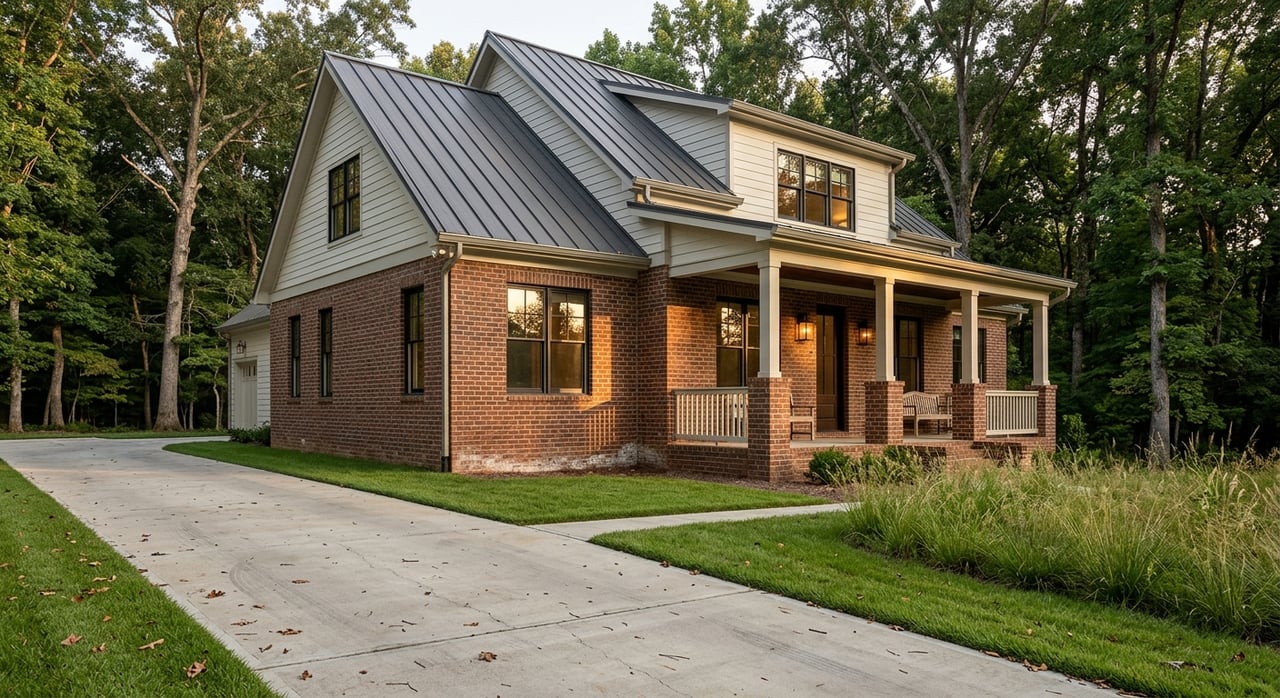
Acreage often attracts buyers who want more privacy and flexibility. You may be looking for room for pets, a garden, a workshop, a detached garage, or simply more distance from nearby homes.
That extra freedom can be appealing, but it usually comes with more homework. With acreage, you need to look more closely at legal access, utilities, septic, drainage, and whether the property fits your intended use.
Why acreage appeals to buyers
For many buyers, land changes how a home feels. You may value open space, a quieter setting, or the option to add features over time if local rules allow it.
If that is your priority, acreage can be a great fit. The key is making sure the property works not just emotionally, but practically.
Why due diligence matters more
Madison County has a zoning inquiry process for property in unincorporated areas. If you are considering acreage, that matters because you should confirm early whether your intended use aligns with local requirements.
Site details also matter more with land. Items like driveway access, utility availability, septic permitting, and drainage can all affect cost, timeline, and financing.
Legal access is a big deal on acreage
One of the first things to confirm on acreage is legal access. Madison County house-numbering rules require at least 30 feet of access to an existing county road through ownership or a recorded easement, and a house number or address is required before a building permit can be issued.
That means you should not assume a visible driveway or informal route is enough. If access is unclear, it can affect your ability to build, improve, finance, or resell the property.
Utilities and permits can shape your decision
Utility questions are especially important when you are comparing acreage to a subdivision lot. Madison County requires address assignment plus sewer authorization or a septic permit as part of residential permitting, and final septic approval or sewer connection confirmation is required at closeout.
Water service also should be verified by parcel, not by neighborhood name alone. Madison County Water notes that service depends on whether the address falls within its service area, so buyers should confirm service availability for the exact property they want.
Improvements may need approval
If you plan to add certain structures or features, do not assume you can move forward without permits. Madison County notes that some larger accessory structures, fences over 7 feet, and other engineered features may require permits or sealed drawings.
That is another reason acreage buyers need a careful review process. More land can create more options, but those options still need to fit local rules.
Financing can differ by property type
Financing is one of the biggest differences between subdivisions and acreage. A home in a subdivision may be easier to match with standard loan expectations because access, utilities, and lot setup are often more straightforward.
Acreage can still be financeable, but the fit depends on what you are actually buying. A standard house with land may be treated differently than a vacant lot, a tract with limited access, or a property with more farm-like characteristics.
What loan rules can mean for buyers
USDA says eligible properties must be in an eligible rural area and the household must meet income guidelines. VA says it does not limit the number of acres as long as the home is the veteran’s primary residence and the loan is for residential purposes rather than a business use.
Fannie Mae’s guide states that it will not purchase or securitize mortgages on vacant land, land development properties, agricultural properties, or properties that are not readily accessible by roads meeting local standards. In plain terms, your loan options may narrow as a property becomes more land-focused or less conventional.
Resale can look different too
Subdivision homes often appeal to a broader pool of future buyers. That is partly because access, utilities, and HOA structure can be easier to evaluate upfront, which may make the property simpler for buyers and lenders to understand.
Acreage properties usually attract a smaller but more focused buyer group. The people shopping for land are often highly motivated, but they tend to be looking for something very specific.
Neither option is automatically better. It simply means your long-term plans should be part of the decision you make today.
How to choose the right fit
The best choice usually comes down to your daily lifestyle, your budget, and your comfort level with property research. A subdivision may be the better fit if you want predictability, lower day-to-day property demands, and a more standardized ownership experience.
Acreage may be the better fit if privacy and flexibility matter more to you, and you are prepared to dig into access, utilities, permitting, and financing details before you buy. The right answer is personal, but the process should always be practical.
Questions to ask before you offer
- Does the property have HOA dues or community restrictions?
- Is the home on sewer or septic?
- Is water service available for this exact address?
- Does the property have legal access to a county road?
- Will your loan program work for this property type?
- Does Madison County zoning allow your intended use if the property is unincorporated?
- Which Madison County School zone applies to the exact address?
Verify school zones by address
If school zoning is part of your home search, verify it by property address. Madison County Schools uses interactive school-zone maps, so school assignment should not be assumed from a subdivision name or a Meridianville mailing address.
That simple step can help you make a more informed decision before you move forward.
A local guide can make this easier
When you are comparing subdivisions versus acreage in Meridianville, the details matter. What looks simple online can turn into a very different picture once you review access, utilities, restrictions, and property type.
A hands-on local guide can help you ask better questions, spot issues earlier, and focus on the options that actually fit your goals. If you want practical, personalized help weighing neighborhood convenience against land and flexibility, Stallworth Real Estate, LLC is here to help you move with confidence.
FAQs
What is the main difference between subdivisions and acreage in Meridianville?
- Subdivisions generally offer a more standardized and predictable setup, while acreage often offers more privacy and flexibility but requires more due diligence on access, utilities, septic, drainage, and intended use.
Do Meridianville subdivision homes usually have HOA dues?
- Some planned subdivisions do have HOA dues and shared services, so you should review the amount, what the dues cover, and any restrictions before making an offer.
What should buyers verify before buying acreage in Meridianville?
- Buyers should verify legal access, water availability for the exact parcel, sewer or septic status, zoning for intended use, and whether permits may be needed for future improvements.
Can you finance a home with acreage in Meridianville?
- Sometimes, yes. Financing depends on the property type, including whether it is a standard home with land, a vacant lot, an agricultural-type property, or a property with limited access or utility infrastructure.
How do buyers confirm school zones in Meridianville?
- Madison County Schools uses interactive school-zone maps, so school assignment should be verified by the exact property address rather than assumed from the community name.
Is acreage harder to resell in Meridianville?
- It can be more niche. Subdivision homes often appeal to a broader buyer pool, while acreage properties tend to attract a smaller group of buyers who specifically want land and privacy.