Trying to buy your first home in Harvest without overextending your budget? You have good options here, especially if you want more space and a yard at an approachable price. The key is understanding how Harvest neighborhoods differ on costs, HOAs, utilities, and commute convenience so you can compare apples to apples. This guide walks you through what to look for, which neighborhood types fit different needs, and the steps to take before you write your first offer. Let’s dive in.
Why Harvest works for first-time buyers
Harvest sits just north and northwest of Madison, within easy reach of Huntsville job centers. Many buyers look here because you can often get more square footage or a larger lot than in parts of Madison. You’ll find a mix of older, modest homes and newer suburban communities with modern layouts.
There are tradeoffs to weigh. Some pockets have fewer municipal services and walkable amenities than central Madison or Huntsville. A number of properties use septic systems, and public transit is limited, so most households rely on a car. Knowing these factors up front helps you target the neighborhoods that fit your lifestyle and budget.
How to compare neighborhoods
Use a simple, consistent checklist for each Harvest subdivision you consider:
- Price band. Review recent solds and active listings to see where your budget stretches.
- Home styles and age. Note whether you’re seeing single-story ranches, smaller two-stories, or newer builds with open plans.
- Lot size and yard. Decide if you prefer a larger yard or lower-maintenance lot.
- HOA details. Confirm if there is an HOA, fee ranges, amenities, and any rules that affect daily life.
- Utilities. Verify public sewer vs septic, water provider, and available internet speeds or fiber options.
- Commute. Map typical drive times to your jobs and frequent destinations at peak and off-peak hours.
- Schools. Confirm the assigned district and specific schools using the latest attendance zone tools.
- Resale factors. Consider home age, turnover, and proximity to growing employment corridors.
Keeping these notes side by side will make your short list clear and help you negotiate with confidence.
Neighborhood types to consider
Instead of chasing a single “best” neighborhood, compare these common Harvest options and match them to your needs.
Established subdivisions (1990s–2010s)
These communities often offer lower entry prices among single-family homes, mature trees, and larger lots. You’ll commonly see a mix of ranch plans and smaller two-stories. Many first-time buyers like the chance to add value through cosmetic updates.
- Buyer fit: You want the most house and yard for the money and don’t mind light improvements.
- What to verify: Age-related systems like HVAC and roof, septic vs sewer, drainage around the lot.
- Quick snapshot: Lower upfront cost, more character, and potential sweat equity if you’re handy.
Newer builder subdivisions (2000s–present)
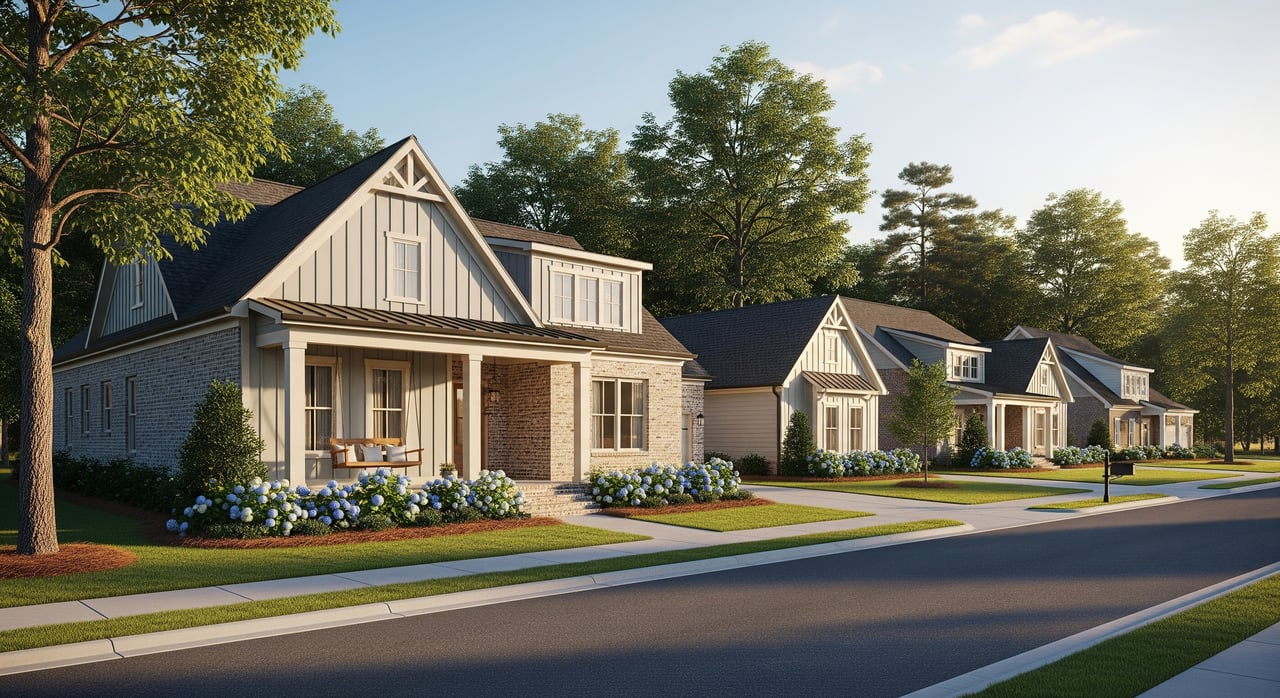
Newer communities tend to feature open-concept layouts, energy-efficient features, sidewalks, and small to medium HOA fees. If phases are still building, you might find builder warranties and incentives.
- Buyer fit: You prefer move-in ready, lower near-term maintenance, and contemporary layouts.
- What to verify: HOA rules and fees, any rental restrictions, and the timeline for community buildout.
- Quick snapshot: Modern plans and amenities with predictable maintenance, balanced by HOA oversight and ongoing construction in newer phases.
Small-lot or attached-home clusters
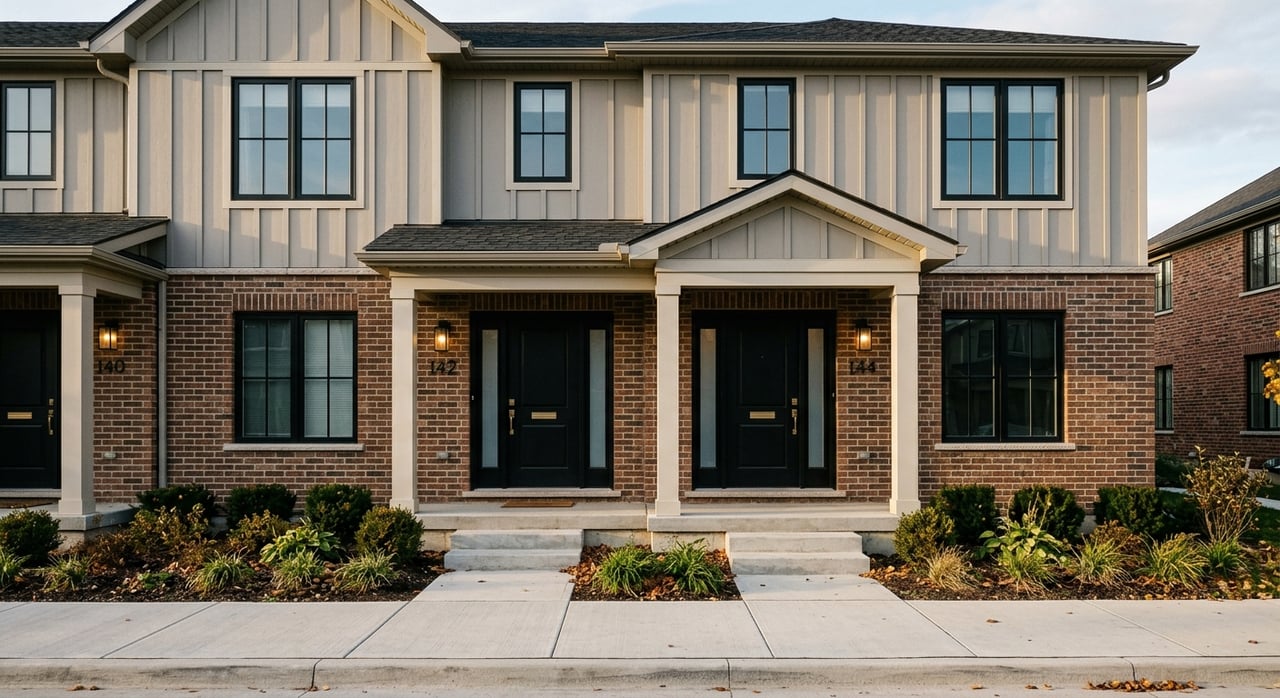
These areas can deliver a lower purchase price and minimal yard work. Parking rules and guest parking vary by community.
- Buyer fit: You want affordability plus low maintenance and are comfortable with closer neighbors.
- What to verify: Parking restrictions, guest parking, and HOA or covenant rules.
- Quick snapshot: Entry-friendly pricing and simpler upkeep, with closer quarters and possible rental restrictions.
Rural- or large-lot options at the edges
On the outskirts, you may find larger acreage, added privacy, and room for outbuildings. Utility and maintenance costs can be higher, and commute times vary based on your routes.
- Buyer fit: You prioritize space and privacy over proximity to city amenities.
- What to verify: Utility access and costs, driveway maintenance, and commute patterns to your frequent destinations.
- Quick snapshot: Big-lot living and flexibility, balanced by logistics and longer drives for daily errands.
Commute and daily convenience
Most Harvest buyers commute to Huntsville job hubs including Redstone Arsenal, Cummings Research Park, and downtown Huntsville, or to employers in Madison. Drive times vary by your exact location and time of day, so test drives are essential. Map both morning and evening routes to confirm where traffic builds and how long your trips feel on a typical weekday.
Public transit in suburban Harvest is limited, so plan on a car. Include school drop-offs and pickups in your trial runs if that is part of your day. When you compare neighborhoods, weigh commute consistency as much as the shortest-time scenario.
HOA and covenant tips
An HOA can be a plus if you value consistent standards and shared amenities, but you should read the fine print. Here’s what to review for each community:
- Dues and coverage. Learn what the monthly or annual fee covers, from landscaping in common areas to amenity upkeep.
- Architectural rules. Look for approval processes for exterior paint, fences, sheds, or additions.
- Enforcement and fines. Understand how rules are enforced and potential penalties.
- Financial health. Ask for the latest reserve study or financials and minutes from recent meetings.
- Developer control. If the community is newer, confirm how long the developer controls the HOA and when owners take over.
Knowing these details helps you plan your monthly costs and avoid surprises.
Schools and local services
Harvest spans areas served by different public school districts. Attendance zones can change, so always confirm the assigned schools for a specific property using the most current district tools and by cross-referencing the street address. Focus on objective factors like commute, programs, and logistics that matter for your household.
Safety and emergency services in Harvest are provided by Madison County. Response times and coverage can vary by distance to local fire or EMS stations. When you tour, note where stations are located and ask sellers or the listing agent for any recent service information.
Utilities differ by neighborhood. Verify public sewer vs septic, water provider, solid-waste pickup schedules and fees, and available internet providers. If high-speed internet is important for work-from-home, confirm speeds at the address, not just at the subdivision entrance.
Budgeting and financing
Harvest is often positioned as more affordable than many parts of Madison and central Huntsville, which can help you stretch for the space you want. To compare value, look at recent median sale prices and price per square foot for the neighborhoods on your list and for comparable areas nearby.
For loans, many first-time buyers use FHA, VA, or conventional financing. Some rural pockets near Harvest may qualify for USDA Rural Development loans, which you verify by property address. State or local down payment assistance programs may also help if you meet eligibility requirements. A local lender familiar with Madison County can guide you on underwriting nuances for septic systems, HOA dues, and lot sizes.
Your action plan
Use this step-by-step approach to narrow your options and move forward with clarity:
- Define your target payment and comfort range with a lender preapproval.
- Shortlist neighborhood types that match your lifestyle: established, newer builder, small-lot, or larger-lot areas.
- Pull recent solds and current listings to see typical price bands and home features for each area.
- Verify utilities, HOA details, and any covenants for your top neighborhoods.
- Confirm assigned schools using current district tools for each candidate address.
- Test-drive morning and evening commutes to your frequent destinations on weekdays.
- Compare resale indicators like home age, turnover, and proximity to growth corridors.
- Partner with a local agent who can source documents, schedule inspections, and negotiate strong terms.
Work with a local partner
You deserve a steady guide who knows Harvest, listens first, and helps you weigh tradeoffs with confidence. Our boutique, veteran-led team is built for hands-on support, whether you want low-maintenance new construction, a value play with updates, or room to grow. If you’re ready to explore the best-fit neighborhoods for your first home, connect with Stallworth Real Estate, LLC for local guidance tailored to you.
FAQs
What makes Harvest a good first-home market compared to nearby cities?
- Many buyers find more space and larger lots for the money in Harvest while staying within commuting distance of major Huntsville and Madison job centers.
How can I confirm if a Harvest home uses public sewer or septic?
- Review the listing details, verify through county records or utility providers, and include a professional inspection to confirm system type and condition.
Do any Harvest neighborhoods feed into Madison City Schools?
- Portions closer to Madison may be assigned there, but zones change; confirm the exact school assignment by using the latest district lookup for the specific address.
What are realistic commute expectations from Harvest to major job hubs?
- Commute times vary by neighborhood and time of day; test your routes during typical peak hours to set a dependable range that fits your schedule.
Are there new-build options suitable for first-time buyers in Harvest?
- Yes, newer subdivisions often offer modern layouts and possible builder warranties; compare HOA rules, fees, and construction timelines for any active phases.
Could a USDA loan work for a Harvest purchase?
- Some areas near Harvest may qualify based on address; check property eligibility and speak with a local lender about program fit and requirements.
What HOA rules should I review before buying in Harvest?
- Confirm dues, covered services, design approval processes, enforcement policies, and the HOA’s financial health to understand costs and restrictions.